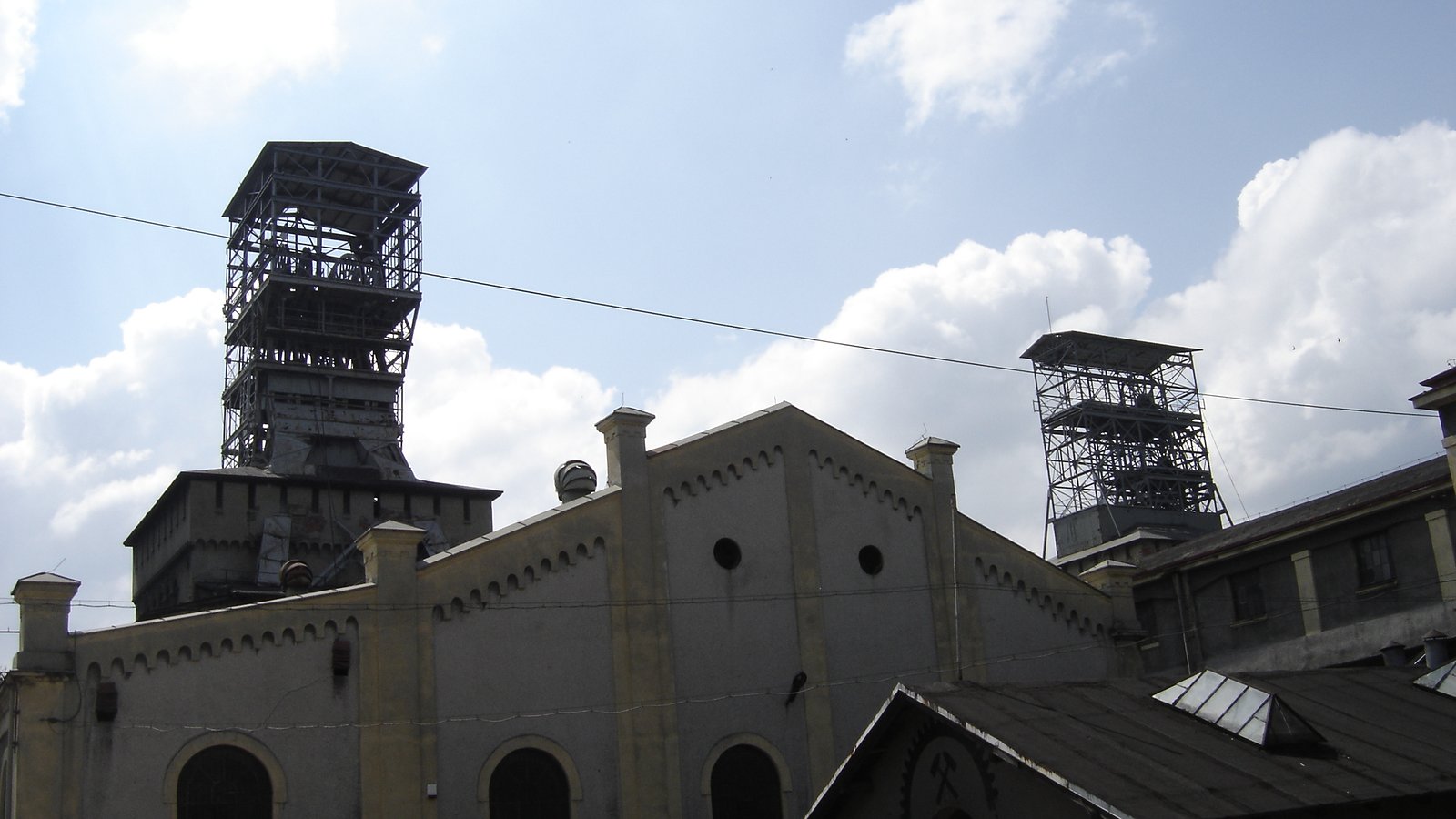
Sebastian Deutschmann and Michael Tost of Montanuniversität Leoben, together with Krzysztof Fuławka of KGHM Cuprum, present in the Journal of Cleaner Production (DOI 10.1016/j.jclepro.2026.149619) a decision-support system for choosing what to do with an underground coal mine once it shuts. Their worked example is the Pniówek hard-coal mine in Poland.
The problem
The authors' starting point is that the phase-out of coal and the growth of renewables keep closing mines, each leaving large voids underground and facilities at the surface. These are usually sealed off and abandoned. There are many candidate uses: generating or storing energy, underground research facilities, tourism or industrial logistics. Every option is limited by the particular mine, including its depth, geology and hydrogeology, the inflow of water, temperature and humidity, as well as the local market and community.
Method
From a literature review the team identified 15 reuse pathways and set application criteria for each one. For every pathway they also defined reference conditions; a given mine is compared against them and scored. The weights of the criteria came from a survey of experts, and the scores were normalised. The method reports missing data and the quality of evidence openly, and any option that fails the safety requirements is excluded whatever its other scores.
Result for Pniówek
Three options made the Pniówek shortlist: underground gas storage, mine water geothermal and compressed air energy storage. Gas storage stayed in first place under the sensitivity tests, while the authors regard mine water geothermal and compressed air storage as a second group that is effectively level. For gas storage and the other pressure-based options, sealing, links to faults and changes in hydrogeological conditions after closure would still need to be checked.
The authors stress that the Pniówek analysis is an illustration and not a final feasibility assessment. The method gives a transparent ranking of options, but it does not take the place of geomechanical, hydrogeological, legal or economic studies, nor of consultation with stakeholders.